The problem with building your own software on an AI app builder
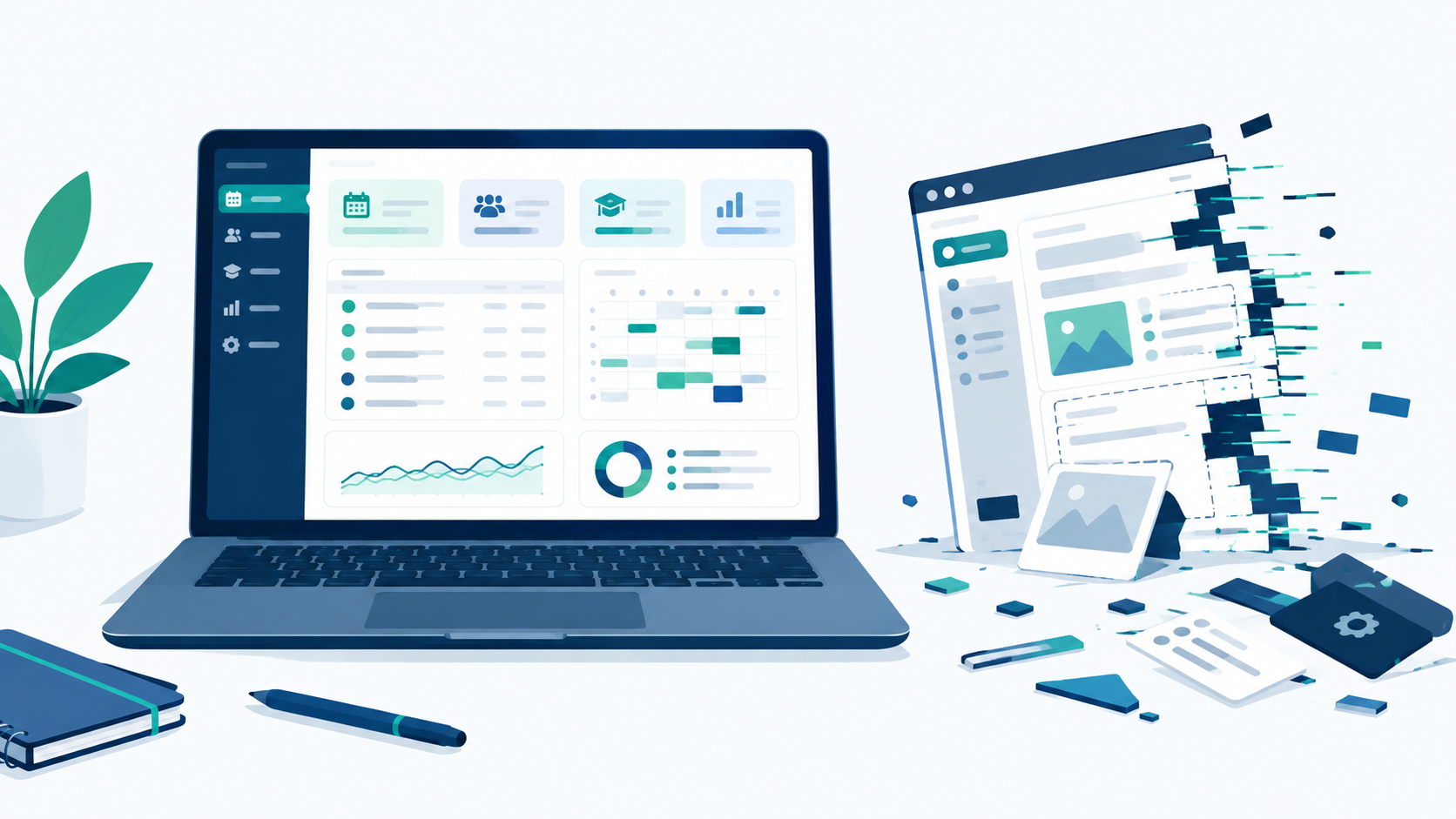
An education centre tried to build its own operations platform on an AI app builder. Here's where it broke, why sensitive data made it urgent, and what we built instead.
Thoughts, guides, and insights from the Dizzy Otter team

An education centre tried to build its own operations platform on an AI app builder. Here's where it broke, why sensitive data made it urgent, and what we built instead.

There aren't many off the shelf tools for running an awards programme, and none of them fit your categories or your scoring. Here's why Tech South West needed a bespoke platform, and what we built.

Internal systems are boring and nobody gets excited about buying one. So you sell time, freedom and the idea that a business is worth building around. Here is how we actually sell custom software.

Custom software used to be an enterprise purchase. AI changed the economics of building it, and that puts bespoke systems within reach of businesses that could never justify them before.

AI broke every pricing benchmark in software, so we had to invent our own. Here is what we charged, why it quietly cost us money, and the model we ended up with.

Most people use AI for one thing and assume that is what it is for. It is not a writing tool or a coding tool. It is a thinking partner that makes you better at everything you already do. Here is what that actually looks like in practice.


The bottleneck in building a business was never the code. It was always building something nobody wanted. AI hasn't changed that. It's just made it faster and cheaper to get it wrong.

Almost every founder convinces themselves that funding is the thing standing between them and success. It is the wrong order. Here is what we learned the hard way.

Your domain, code and logins should belong to the company, not a developer or an ex-employee. Here’s how to check who owns your software and who’s responsible for it.

Every business now runs on software, but most don’t need to hire a developer to look after it. Here’s what a software development partner is and why it’s replacing the in-house hire.

There’s more new software than ever, much of it built by first-time builders. Here’s what to check before you commit your business to a new tool.

We took a stand at a pharmacy convention at the NEC to demo EunoPharm, a compliance platform we built with a pharmacy industry expert. Here’s how that partnership came about.

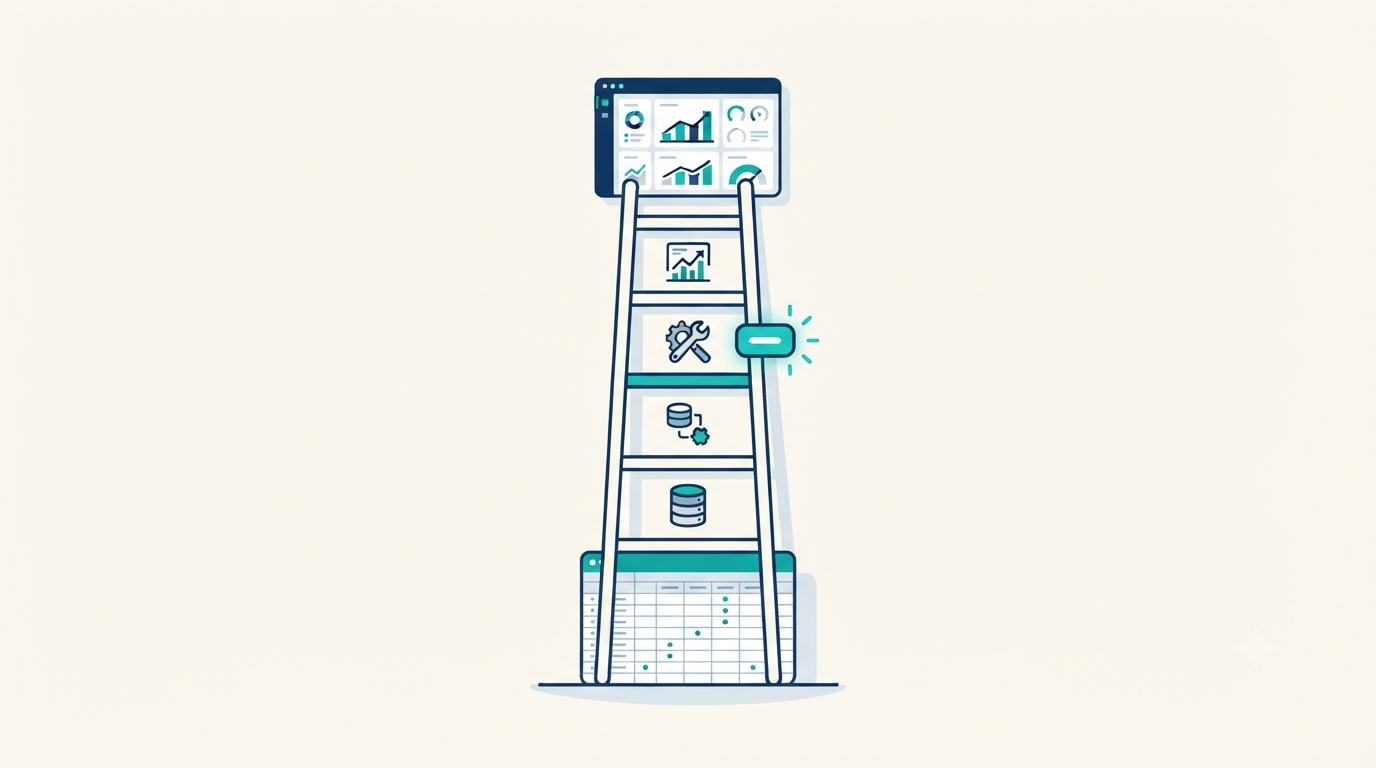
Custom software is one answer to a business problem, and rarely the first one. Here's the ladder we use to work out whether you should build, buy, or just use what you've got properly.

One in-house developer can build you a tool. What happens when you want the next one, and they're busy keeping the first one running? The case for a team instead of a hire.

Business culture treats failure as a badge to collect. Most of what gets called failure is a pivot, a misstep or a decision that ended — and conflating that with real collapse trivialises both.

Most people have a number in their head that is years out of date. Here are the real ranges for building custom software in 2026, how long it takes, and how it compares to what you already spend on subscriptions.

Some automations save you real time. Others quietly remove you from the decisions your business needs you to make. Here is how to tell the difference, and where the automation should actually live.

Just because someone wants to be involved does not mean they should be. What I got wrong about equity, enthusiasm, and hiring good people into roles that did not exist.

Most people who think they are bad at AI are not bad at AI. They are bad at asking questions. Here is what working with AI well actually looks like and why the quality of the conversation changes everything.

Exeter isn't known for its thriving entrepreneurial community, nor for its technological prowess. That's exactly why the opportunity is here.

AI has changed what's possible. Custom software is no longer a luxury reserved for enterprises with deep pockets. Here's why we started Dizzy Otter, and why the era of off-the-shelf compromise is ending.